
Just a Little Bite: Exploring Food Recipes, Trends, Snacks, Drinks, and Healthy Living
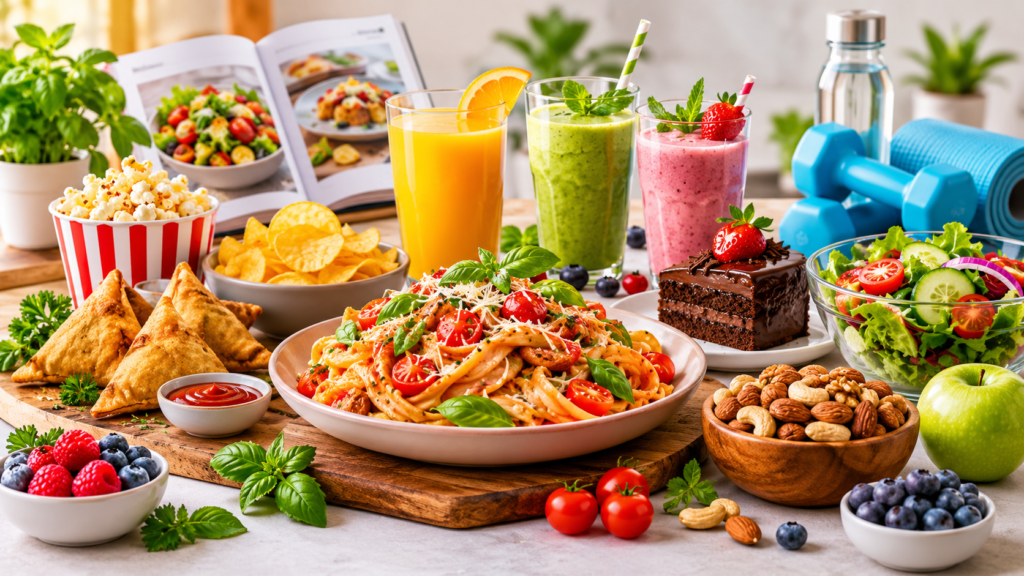
Food is an important part of everyday life. It brings people together, introduces us to different cultures, and gives us countless opportunities to explore new flavours. From preparing a simple breakfast at home to discovering exciting international dishes, cooking can be both enjoyable and practical. However, finding reliable recipes, understanding changing food preferences, and choosing suitable ingredients can sometimes be challenging.
Just a Little Bite brings together different aspects of food and everyday eating in one place. Its content covers cooking inspiration, easy recipes, popular snacks, creative beverages, and useful information about healthy food choices. Whether someone enjoys experimenting in the kitchen or simply wants fresh ideas for daily meals, exploring different food topics can make everyday cooking more interesting.
The growing interest in food also goes beyond traditional recipes. People are becoming more curious about ingredients, preparation methods, nutritional information, and changing eating habits. This creates opportunities to discover new dishes while maintaining a balanced approach to everyday nutrition.
Through its different content categories, Just a Little Bite explores the relationship between food, creativity, convenience, and healthy living.
Discover Everyday Cooking Inspiration and Delicious Recipes
Cooking at home gives people greater control over ingredients, preparation methods, and portion sizes. It also allows them to adjust recipes according to personal preferences, available ingredients, and dietary requirements.
A good recipe does not always need expensive ingredients or complicated instructions. Many satisfying meals can be prepared using basic items commonly found in household kitchens.
The purpose of exploring a food recipe justalittlebite is to find practical cooking ideas that readers can understand and recreate without unnecessary difficulty. Clear instructions, ingredient explanations, and appropriate cooking times make recipes more accessible to beginners and experienced home cooks alike.
Simple Meals for Busy Everyday Routines
Modern lifestyles often leave limited time for preparing meals. People balancing work, education, and family responsibilities may prefer recipes that require fewer ingredients and less preparation.
Some useful everyday cooking ideas include:
- Quick vegetable stir-fries with rice or noodles.
- Homemade sandwiches with fresh vegetables and protein.
- Simple pasta dishes with tomato-based sauces.
- Egg-based breakfasts with whole-grain bread.
- Homemade soups using seasonal vegetables.
- Grilled chicken or vegetable wraps.
Planning meals can also reduce unnecessary food waste. Preparing ingredients in advance, storing them correctly, and organizing a weekly menu can make cooking more manageable.
Exploring Different Cooking Styles
Food preparation methods influence the final taste, texture, and nutritional characteristics of a meal. Baking, steaming, grilling, roasting, and sautéing each offer different results.
For example, steaming vegetables can help maintain their natural texture, while roasting develops deeper flavours. Grilling is useful for preparing vegetables, fish, and meat with a distinctive cooked surface.
Learning about these methods helps readers become more confident in the kitchen and encourages them to experiment with familiar ingredients.
Understanding Modern Food Trends and Changing Preferences
Food trends reflect how people’s preferences, lifestyles, and cooking habits change over time. Some trends develop through cultural influences, while others become popular because of convenience, ingredient availability, or growing interest in nutrition.
Exploring from justalittlebite food trends jalbiteblog provides a way to understand different food-related topics and discover ideas that may influence everyday cooking.
Food trends are not necessarily rules that everyone needs to follow. Instead, they offer inspiration and introduce people to ingredients, preparation techniques, and dishes they may not have considered before.
Plant-Based Meals and Vegetable-Focused Cooking
Plant-based meals have become an important part of modern food conversations. These meals focus on vegetables, fruits, grains, beans, lentils, nuts, and seeds.
People may choose plant-based dishes for different reasons, including personal preferences, environmental considerations, or dietary requirements.
Examples include lentil soups, chickpea salads, vegetable curries, bean burgers, and grain bowls. These dishes demonstrate how simple plant ingredients can create satisfying meals.
Global Flavours and Cultural Food Inspiration
International food continues to influence home cooking. Ingredients and preparation methods from different regions allow people to experience new combinations of flavours.
Asian noodle dishes, Mediterranean salads, Mexican-inspired wraps, Middle Eastern rice meals, and traditional European soups are examples of foods that inspire home cooks.
The jalbiteblog food trend topic can help readers explore how cultural influences shape modern eating habits and encourage experimentation with different cuisines.
Convenience and Homemade Alternatives
Convenience remains important for people with busy schedules. However, convenience does not always mean relying on packaged meals.
Preparing ingredients in advance, freezing suitable portions, and creating simple homemade alternatives can save time while allowing better control over ingredients.
The wider discussion of food trends jalbiteblog can include these practical changes alongside popular ingredients and new cooking ideas.
Discovering Snacks for Different Occasions
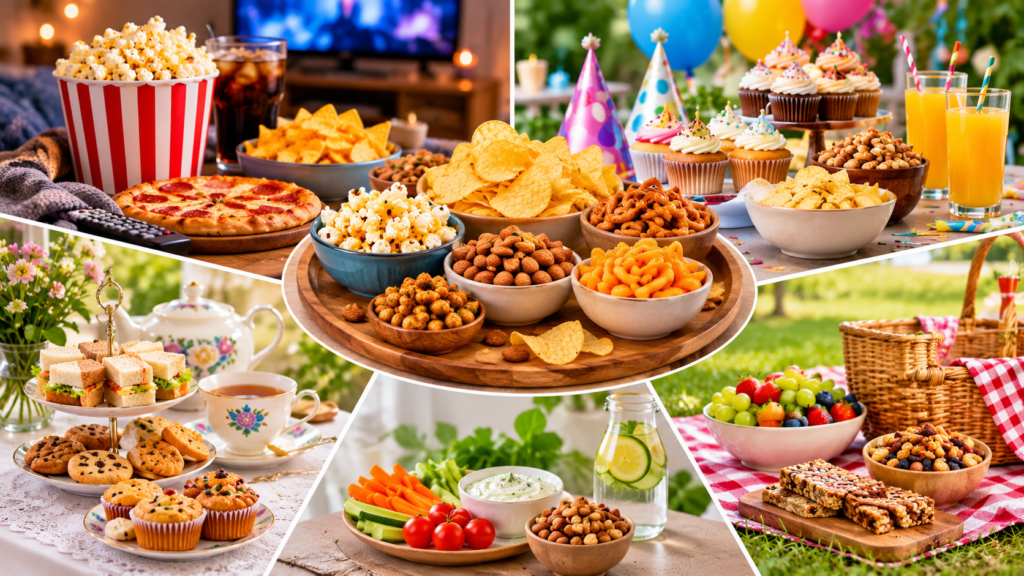
Snacks are a regular part of many people’s eating routines. They can provide something to enjoy between meals, support busy schedules, or add variety to social gatherings.
Choosing suitable snacks depends on personal preferences, portion sizes, ingredients, and nutritional needs.
The idea behind jalbitesnacks best snacks justalittlebite is to explore snack options that offer variety and practical preparation ideas rather than focusing on one particular type of food.
Homemade Snacks Worth Trying
Homemade snacks allow people to select their ingredients and adjust flavours according to their preferences.
Some simple options include:
- Roasted chickpeas seasoned with herbs and spices.
- Fresh fruit served with plain yogurt.
- Homemade popcorn with light seasoning.
- Whole-grain crackers with cheese.
- Vegetable sticks with hummus.
- Homemade oat and nut bars.
These options can be prepared using accessible ingredients and adjusted to suit different occasions.
Choosing Snacks with Better Ingredients
When selecting packaged snacks, reading the ingredient list and nutrition label can provide useful information.
Pay attention to serving sizes, added sugars, sodium, saturated fat, and ingredient quantities. A product marketed as natural or healthy is not automatically suitable for every dietary requirement.
It is also helpful to consider how snacks fit into the overall eating routine. A balanced approach allows room for different foods without treating individual ingredients as universally good or bad.
Exploring Creative Drinks and Beverage Ideas
Drinks are another interesting part of food culture. From refreshing fruit beverages to traditional warm drinks, different recipes can complement meals and provide variety throughout the day.
Homemade beverages also allow people to experiment with ingredients, sweetness levels, and presentation.
The jalbitedrinks liquor recipes by justalittlebite topic relates to alcoholic beverage preparation, while general drink inspiration can also include non-alcoholic alternatives.
Refreshing Non-Alcoholic Drinks
Non-alcoholic beverages are suitable for everyday enjoyment and social occasions.
Some easy ideas include:
- Fresh lemon and mint water.
- Homemade watermelon juice.
- Cucumber and lime refreshments.
- Fruit smoothies with yogurt.
- Iced tea with fresh fruit.
- Sparkling water with citrus slices.
When preparing fruit drinks, using whole fruits or blending ingredients can provide a different texture and nutritional profile compared with strained juices.
People should also consider added sugar when choosing or preparing beverages.
Understanding Alcoholic Drink Recipes
Alcoholic beverages are prepared using different ingredients, techniques, and flavour combinations. Common examples include fruit-based cocktails, citrus drinks, herb-infused beverages, and traditional mixed drinks.
A recipe may involve spirits, mixers, fruit juices, herbs, or other ingredients. However, the amount of alcohol can vary significantly depending on the preparation method and serving size.
Alcohol is not necessary for social enjoyment, and non-alcoholic alternatives can provide similar flavour inspiration. People who consume alcoholic beverages should follow applicable laws and understand the associated health risks.
Practical Health Information for Everyday Food Choices
Food choices influence everyday nutrition, energy intake, and general well-being. Understanding basic nutritional information can help people make decisions that suit their individual needs.
The by justalittlebite jalbitehealth guides topic connects food inspiration with practical information about ingredients, balanced meals, hydration, and everyday eating habits.
Health information should be clear, responsible, and easy to understand. It should also recognize that nutritional requirements differ according to age, activity levels, personal circumstances, and medical conditions.
Understanding Balanced Meals
A balanced meal generally includes different food groups that contribute important nutrients.
Vegetables and fruits provide vitamins, minerals, and dietary fibre. Whole grains supply carbohydrates and fibre, while foods such as eggs, beans, fish, dairy products, and meat can contribute protein.
Healthy fats from sources such as nuts, seeds, olive oil, and avocados can also form part of a varied eating pattern.
Instead of relying on a single ingredient or food group, consider the overall variety and quality of meals throughout the day.
The Importance of Hydration
Water supports several essential body functions, including temperature regulation and normal digestion.
Individual fluid requirements vary depending on activity, climate, diet, and personal health circumstances.
Drinking water regularly throughout the day is a practical habit. People who exercise or spend time in hot environments may need additional fluids.
Developing Sustainable Eating Habits
Healthy eating does not require making every meal complicated. Small, consistent habits can make everyday food choices easier.
Useful examples include:
- Planning meals before grocery shopping.
- Including vegetables in regular meals.
- Choosing suitable whole-grain options.
- Limiting excessive added sugar.
- Paying attention to portion sizes.
- Preparing meals at home when practical.
- Keeping drinking water accessible.
These habits provide a realistic starting point for people who want to improve their daily eating routines.
Exploring Helpful Information and Food Education

Reliable information helps readers understand food beyond recipes and cooking instructions. Learning about ingredients, storage, food preparation, and nutrition can improve everyday decisions.
The useful advice jalbitehealth approach focuses on making general food and wellness information easier to understand.
For example, knowing how to store fresh vegetables can help maintain their quality. Understanding food labels can make grocery shopping more informed, while learning basic kitchen hygiene can reduce the risk of food contamination.
Food Storage and Kitchen Safety
Proper food handling is an important part of home cooking. Raw ingredients, cooked meals, and perishable products require appropriate storage.
A few useful practices include:
- Wash hands before handling food.
- Keep raw meat separate from ready-to-eat ingredients.
- Clean kitchen surfaces and utensils regularly.
- Refrigerate perishable foods promptly.
- Follow safe cooking temperatures.
- Check food packaging and expiration information.
These precautions help create a cleaner and safer cooking environment.
Learning About Ingredients
Understanding ingredients makes it easier to adjust recipes and identify suitable alternatives.
For example, whole-wheat flour can provide a different texture and nutritional profile from refined flour. Plant-based milk alternatives vary in protein, added sugar, and fortification. Different cooking oils also have different flavour characteristics and heat suitability.
A useful jalbitehealth guide should explain these differences without making exaggerated health claims.
Finding Reliable Guidance for Everyday Wellness
Food and health information can sometimes be confusing because different sources present conflicting advice. Readers benefit from explanations that separate established nutritional principles from personal opinions and unsupported claims.
The jalbitehealth help category can address common questions about balanced eating, ingredient choices, hydration, meal preparation, and general food safety.
Making Informed Food Decisions
Before changing an eating routine, it is helpful to consider individual requirements and circumstances.
For example, someone with a food allergy needs to check ingredient labels carefully. A person managing a medical condition may require advice from a qualified healthcare professional or registered dietitian.
General food articles can provide educational information, but they should not replace individualized medical guidance.
Practical Learning for Different Experience Levels
People approach food preparation with different levels of knowledge.
Beginners may need basic explanations about measuring ingredients, preparing vegetables, and following cooking instructions. More experienced cooks may be interested in advanced preparation methods, ingredient substitutions, and international recipes.
The jalbitehealth help guide concept can bring these subjects together in an accessible format.
Readers can also benefit from comparing different preparation methods and understanding why certain ingredients work well together.
Exploring New Ideas Through Food Content
Food is constantly evolving through cultural exchange, changing lifestyles, ingredient availability, and personal creativity. Following these developments can introduce readers to dishes and techniques they may want to try.
A food jalbiteblog trend justalittlebite topic can explore different culinary ideas while keeping the information relevant to everyday readers.
Seasonal Ingredients and Cooking
Seasonal ingredients provide opportunities to create varied meals throughout the year. The availability of fruits and vegetables differs by region and climate.
During warmer months, people may prefer fresh salads, chilled soups, and fruit-based beverages. Cooler weather often encourages warm soups, roasted vegetables, and filling grain-based dishes.
Choosing locally available seasonal ingredients can also make meal planning more practical.
Creative Presentation and Food Experiences
Food presentation influences how meals are experienced. Simple techniques such as arranging ingredients carefully, adding fresh herbs, or using contrasting colours can improve the appearance of homemade dishes.
However, presentation should not become more important than flavour, food safety, and preparation quality.
The broader jalbiteblog trend food discussions can include these creative ideas while remaining focused on useful cooking knowledge.
Why Food Knowledge Matters in Everyday Life
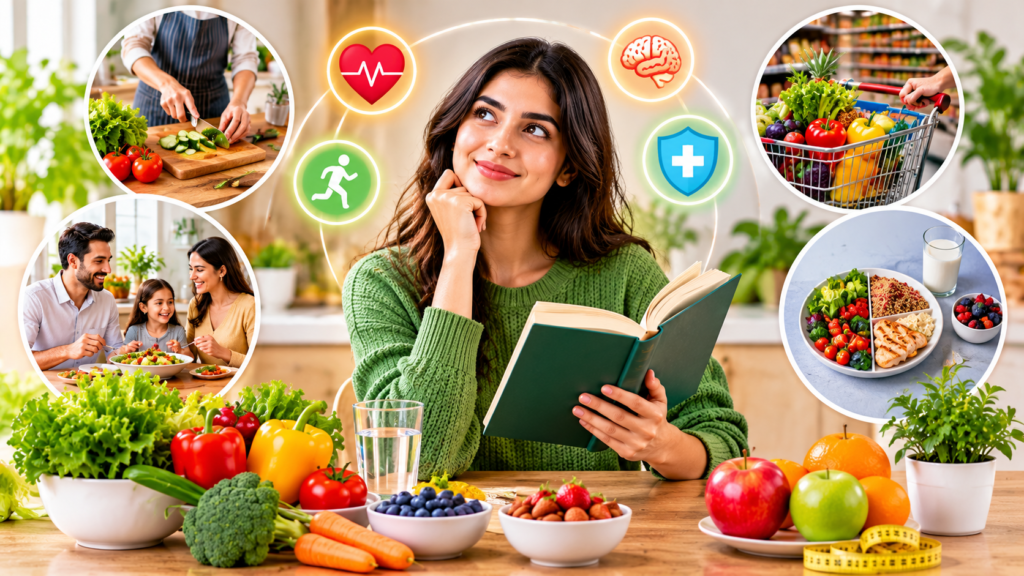
Learning about food is useful for more than preparing meals. It helps people understand ingredients, explore different cultures, manage grocery shopping, and make informed decisions about everyday nutrition.
A useful food resource should offer a balance of inspiration and practical explanations. Readers need recipes they can follow, snack ideas they can prepare, beverage options they can explore, and health information they can understand.
The jalbiteblog concept brings these subjects together through different areas of food-related content.
Whether someone wants to discover a new dinner idea, understand a nutrition label, or explore changing culinary preferences, accessible information can make the experience more rewarding.
Keeping up with toptenlast latest food trends jalbiteblog topics can also introduce readers to emerging ingredients, popular cooking methods, and changing food preferences. However, trends should be considered sources of inspiration rather than recommendations that everyone must follow.
Similarly, the jalbiteblog trend food discussions can help readers explore how traditional cooking and modern preferences influence one another.
Conclusion
Food brings together creativity, culture, nutrition, and everyday convenience. Exploring different recipes, learning about ingredients, discovering snacks, and understanding beverage preparation can make daily cooking more enjoyable and informed.
A balanced food resource should provide practical ideas for beginners while offering useful inspiration to experienced home cooks. It should also explain health-related topics responsibly, recognize individual dietary needs, and avoid exaggerated nutritional claims.
From everyday cooking inspiration to changing culinary preferences, Just a Little Bite covers a wide range of subjects connected with modern food experiences. By exploring recipes, food trends, snacks, drinks, and educational guides, readers can develop a better understanding of the choices they make in the kitchen and at the dining table.
The goal is simple: make food information accessible, encourage thoughtful cooking, and help readers discover new ideas that fit their everyday lives. See more: justalittlebite.co.uk
5. Frequently Asked Questions
1. What is Just a Little Bite about?
It covers food-related topics, including everyday recipes, cooking inspiration, snacks, beverages, food trends, and general health information.
2. What types of recipes can readers explore?
Readers can explore breakfast ideas, quick meals, homemade snacks, vegetable dishes, international recipes, desserts, and refreshing beverages.
3. Why are food trends important?
Food trends introduce new ingredients, cooking techniques, cultural influences, and changing eating preferences. They can inspire people to experiment with different meals.
4. Does healthy eating require expensive ingredients?
No. Many balanced meals can be prepared using affordable everyday ingredients such as beans, lentils, seasonal vegetables, eggs, and whole grains.
5. What should readers consider when following health advice?
Readers should consider their individual nutritional needs and rely on credible information. General food guides should not replace professional medical or dietary advice.


