
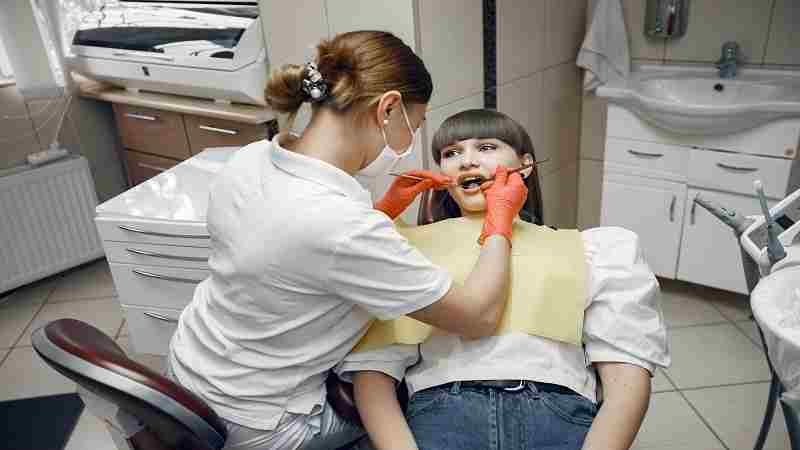
Choosing the right orthodontist for a teenager is a decision that can influence far more than just the appearance of a smile. Orthodontic treatment often lasts for months or even years, making it important for families to find a provider who combines clinical expertise, communication skills, modern technology, and a teen-friendly approach.
For many parents, the process can feel overwhelming. With countless treatment options, varying opinions, and online reviews everywhere, it becomes difficult to know what truly matters when evaluating orthodontic care.
The good news is that a few key factors can help families make a more confident and informed decision.
Why Choosing the Right Orthodontist Matters
Teen orthodontic treatment happens during an important stage of development. Jaw growth, dental alignment, bite correction, and oral habits all play a role in long-term oral health. Beyond function, treatment can also affect self-confidence, speech, hygiene habits, and even social comfort during adolescence.
A qualified orthodontist does more than straighten teeth. They evaluate how the teeth, jaw, bite, and facial structure work together to create healthy alignment and long-term stability.
Because treatment requires regular appointments and ongoing collaboration, the relationship between the orthodontist, teen, and parent also matters significantly.
Look for Specialized Orthodontic Training
One of the first things parents should verify is whether the provider is a licensed orthodontist rather than a general dentist offering cosmetic alignment services.
Orthodontists complete additional years of specialized training focused specifically on tooth movement, jaw alignment, bite correction, and orthodontic treatment planning. This deeper expertise becomes especially important for teens with more complex alignment or bite issues.
While general dentists may provide basic aligner treatments, adolescents often benefit from comprehensive evaluations performed by specialists who routinely handle developing teeth and jaws.
Parents researching an orthodontist in Washington DC should prioritize providers with extensive experience treating teenage patients and managing a wide range of orthodontic cases.
Evaluate Experience With Teen Patients
Teen orthodontics comes with unique challenges. Adolescents are balancing school schedules, sports, extracurricular activities, social confidence, and changing routines. Treatment success often depends on cooperation, consistency, and communication.
An orthodontist who frequently works with teens typically understands how to:
- Explain treatment in an age-appropriate way
- Encourage better compliance with aligners or elastics
- Address concerns about appearance and comfort
- Create realistic expectations
- Build trust with younger patients
Parents should pay attention to how the orthodontic team interacts with their teen during consultations. Does the provider speak directly to the teen rather than only to the parent? Do they explain options clearly? Are questions welcomed?
These small interactions can reveal whether the practice is experienced in supporting adolescent patients throughout treatment.
Consider the Range of Treatment Options
Not every teen requires the same type of orthodontic treatment. Some may benefit from traditional braces, while others may be good candidates for clear aligners such as Invisalign.
A strong orthodontic practice should provide personalized recommendations based on clinical needs rather than pushing a single solution for every patient.
Common teen treatment options may include:
Traditional Metal Braces
They remain highly effective for complex cases and precise tooth movement.
Ceramic Braces
These braces use tooth-colored materials for a less visible appearance while still offering the benefits of fixed treatment.
Clear Aligners
Clear aligners can be appealing to teens who prefer a more discreet option. However, they require discipline and consistent wear.
The best orthodontists explain the advantages, limitations, and lifestyle considerations of each approach so families can make informed decisions together.
Pay Attention to Technology and Diagnostic Tools
Orthodontic technology has improved significantly over the last decade. Advanced imaging and digital treatment planning can improve accuracy, comfort, and efficiency.
Parents may want to look for practices that use:
- Digital X-rays
- 3D imaging or scanning
- Digital impressions instead of traditional molds
- Computer-assisted treatment simulations
- Modern bracket and aligner systems
These technologies can enhance both diagnosis and treatment planning while making appointments more comfortable for teens.
Digital workflows also help orthodontists monitor progress more precisely and make adjustments earlier when needed.
Read Reviews Carefully — But Strategically
Online reviews can provide valuable insight, but parents should look beyond star ratings alone.
Instead of focusing only on overall scores, review comments for recurring themes such as:
- Communication quality
- Wait times
- Staff friendliness
- Treatment transparency
- Scheduling flexibility
- Comfort during visits
- Responsiveness to concerns
Reviews from other parents of teenagers can be especially helpful because they often discuss real-life experiences related to school schedules, treatment compliance, and teen comfort.
Families should also remember that the “best” orthodontist is not necessarily the one with the largest advertising presence. Consistent patient experiences and long-term trust are often more meaningful indicators of quality care.
Assess Communication and Transparency
Orthodontic treatment works best when expectations are clear from the beginning.
Parents should feel comfortable asking questions about:
- Estimated treatment timeline
- Costs and financing
- Potential discomfort
- Appointment frequency
- Emergency protocols
- Retainer requirements after treatment
- Expected responsibilities for the teen patient
A trustworthy orthodontist explains treatment plans transparently and avoids making unrealistic promises about speed or results.
Clear communication is especially important during teenage years, when patients may become discouraged or inconsistent if they do not fully understand the process.
Convenience and Scheduling Matter More Than Many Parents Realize
Because orthodontic treatment requires recurring visits, logistical convenience can significantly affect consistency and overall experience.
Parents should consider:
- Office location
- Appointment availability
- Emergency accessibility
- School-friendly scheduling
- Average wait times
- Parking and commute convenience
A practice that is difficult to reach or consistently overbooked may create unnecessary stress over the course of long-term treatment.
For busy families managing school, activities, and work schedules, convenience becomes a practical factor that directly impacts treatment adherence.
Observe the Office Environment
The atmosphere of an orthodontic office can influence how comfortable a teen feels during treatment.
During consultations, parents should observe whether the office feels:
- Organized and professional
- Clean and modern
- Friendly and welcoming
- Comfortable for younger patients
- Efficiently managed
Staff interactions often reveal a great deal about the overall patient experience. Supportive coordinators and assistants can make a substantial difference in helping teens feel more confident and less anxious about appointments.
Final Thoughts
Choosing an orthodontist for a teenager is about more than finding someone who can straighten teeth. The right provider combines technical expertise, personalized care, strong communication, and an understanding of adolescent needs.
Parents who take time to evaluate credentials, treatment philosophy, technology, patient experience, and office culture are more likely to find an orthodontic partner that supports both long-term oral health and a positive treatment journey.
For teens, the right orthodontic experience can contribute not only to healthier smiles but also to greater confidence during some of the most formative years of life. See more.