
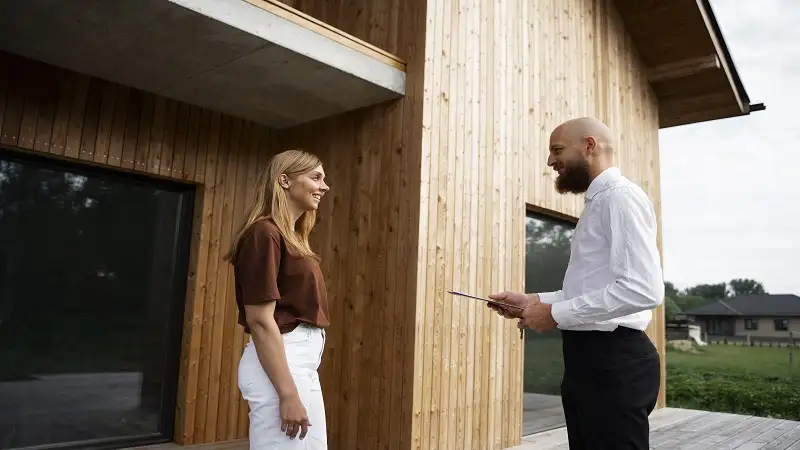
When people think about improving their homes, they almost always picture interior upgrades first. Kitchens, bathrooms, flooring, and paint get most of the attention because they’re the spaces homeowners interact with daily. But the exterior of a house quietly carries a heavier responsibility. It protects everything inside while shaping the first impression anyone ever has of the property.
A home’s exterior is not just decoration, it’s armor. It absorbs sun exposure, heavy rain, wind pressure, and temperature swings year after year. Over time, even well-built homes begin to show signs of fatigue. Fading surfaces, worn siding, cracked trim, and inefficient insulation don’t just affect appearance. They affect comfort, energy use, and long-term durability.
That’s why exterior renovations are less about vanity and more about preservation.
The Exterior Is a Performance System
Most homeowners think of siding, roofing, and trim as separate elements. In reality, they function as a single system designed to regulate temperature and prevent moisture intrusion. When one part weakens, the others work harder.
For example, deteriorating siding doesn’t just look dated; it allows air leaks and water infiltration that compromise insulation and structural materials. Even minor gaps can increase heating and cooling costs. Over time, trapped moisture can lead to mold or rot hidden behind walls.
This is why professionals who specialize in exterior work, often referred to as Siding Experts in Sacramento, emphasize that siding is not cosmetic. It is a critical layer of the building envelope. Maintaining it protects the entire house, not just the façade.
A strong exterior quietly improves everything inside.
Energy Efficiency Starts Outside
Many homeowners chase energy savings through new appliances or smart thermostats while overlooking the biggest factor: the shell of the home. Walls, siding, and insulation determine how effectively a house holds temperature.
Modern exterior upgrades often include insulated siding systems, improved moisture barriers, and better air sealing. These changes reduce the workload on HVAC systems, leading to lower energy bills and more consistent indoor comfort.
The difference isn’t just measurable, it’s noticeable. Rooms stay warmer in winter, cooler in summer, and less drafty year-round.
Exterior performance shapes interior experience.
Curb Appeal Has Psychological Value
While performance matters, aesthetics shouldn’t be dismissed. A home’s exterior influences how people feel about the space they live in. Pulling into a driveway and seeing a clean, cohesive façade creates pride and comfort. Neglected exteriors create low-level stress that homeowners often don’t consciously recognize.
Curb appeal also influences market perception. Buyers form opinions within seconds of seeing a property. Even if the interior is immaculate, a tired exterior lowers perceived value. Renovation aligns visual appeal with structural integrity.
Homes that look cared for usually are cared for. And buyers respond to that confidence.
Materials That Age With Grace
Exterior materials have evolved dramatically. Older homes may still rely on finishes that require constant repainting or maintenance. Modern siding options are engineered to resist fading, moisture damage, and insect activity while maintaining their appearance for decades.
Choosing materials that age gracefully reduces long-term maintenance and preserves value. It also prevents the cycle of patchwork repairs that slowly erodes a home’s appearance.
A well-chosen exterior should mature, not deteriorate.
Longevity is part of beauty.
The Hidden Cost of Delaying Exterior Work
Exterior problems rarely announce themselves dramatically at first. They start small, a crack, a loose panel, peeling paint. But weather exploits weaknesses quickly. Water intrusion spreads behind surfaces long before stains appear inside.
Delaying repairs often multiplies costs. What begins as a siding issue can evolve into structural repair if ignored. Preventive renovation protects investment and reduces disruption.
Exterior upgrades are less expensive when done early. Maintenance is always cheaper than recovery.
Exterior Renovation as a Lifestyle Upgrade
People often underestimate how much the outside of their home influences daily comfort. Better insulation means quieter interiors. Stronger siding improves temperature stability. Updated finishes reduce maintenance anxiety.
A home that feels sealed, protected, and visually cohesive changes how people experience it emotionally. Exterior renovation isn’t just about resale, it’s about daily peace of mind.
When the shell of the house feels solid, everything inside feels safer.
The exterior of a home does more than frame its appearance. It regulates temperature, protects structure, and shapes emotional experience. Siding, trim, and exterior systems function as the house’s first line of defense and first impression simultaneously.
Upgrading these elements is not a cosmetic indulgence. It’s strategic stewardship. Homes that receive thoughtful exterior care last longer, perform better, and feel more secure.
Interior design may shape how a house looks. Exterior strength determines how it lives.
See more: justalittlebite.co.uk