
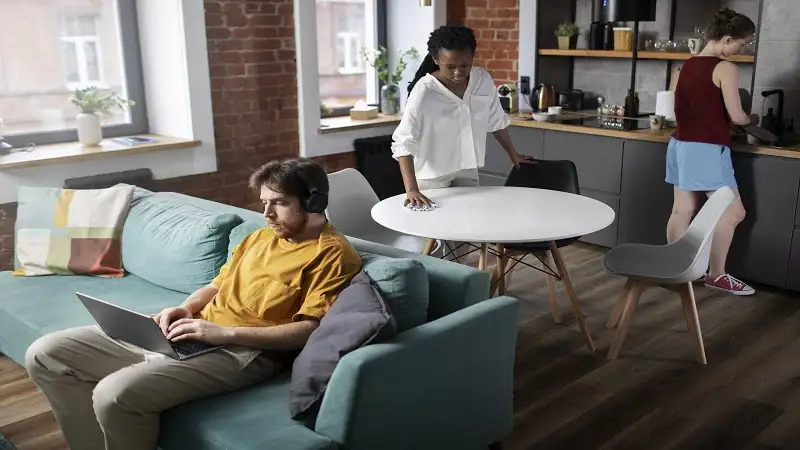
Lifestyle reflects how people live, work, and manage their daily routines. A balanced lifestyle includes healthy habits, positive thinking, time management, and emotional well-being. People who focus on improving their lifestyle often experience better physical health, stronger mental focus, and improved life satisfaction.
Many individuals explore modern lifestyle trends and inspiration through lifestyle inspiration resources that help them understand how small daily improvements can create long-term happiness and productivity.
Importance of Daily Routine in Lifestyle Management
A structured daily routine helps individuals maintain balance in personal and professional life. Organized schedules reduce stress and improve productivity. People who follow consistent routines often complete tasks efficiently and maintain better emotional control.
Daily routines should include proper sleep schedules, balanced meals, physical activity, and relaxation time. Maintaining these habits helps individuals manage responsibilities while preserving mental and physical energy.
Role of Positive Mindset in Lifestyle Improvement
A positive mindset plays an important role in improving overall lifestyle quality. Individuals who focus on positive thinking often manage challenges more effectively and maintain emotional stability. Positive habits such as gratitude, self-motivation, and personal growth help individuals maintain confidence and happiness.
Building positive thinking patterns encourages better relationships, stronger decision-making skills, and improved overall well-being. Mental strength is essential for managing daily life challenges and maintaining balance.
Physical Activity and Lifestyle Balance
Physical activity is a major component of a healthy lifestyle. Regular exercise improves body strength, boosts immunity, and increases energy levels. Activities such as walking, stretching, and light workouts help individuals maintain physical fitness and reduce health risks.
Exercising regularly also supports mental health by reducing stress and improving mood. Individuals who include physical activity in their routine often experience better sleep quality and improved concentration.
Maintaining Work and Personal Life Balance
Maintaining balance between professional responsibilities and personal life is essential for long-term happiness. Overworking can cause stress and emotional exhaustion, while ignoring responsibilities can lead to poor productivity. Creating boundaries between work and relaxation time helps individuals maintain harmony.
Spending time with family, enjoying hobbies, and practicing relaxation techniques support emotional stability and strengthen relationships. A balanced lifestyle helps individuals stay motivated and satisfied with their daily achievements.
Healthy Social Connections and Lifestyle Growth
Social connections play an important role in emotional well-being. Maintaining strong relationships with family and friends helps individuals feel supported and valued. Social interaction reduces loneliness and improves emotional stability.
Participating in community activities, social gatherings, and group hobbies helps individuals build meaningful connections. Positive social relationships contribute to happiness and personal development.
Lifestyle and Personal Development
Personal development is an essential part of modern lifestyle improvement. Learning new skills, setting goals, and improving personal habits help individuals grow emotionally and professionally. Self-development encourages confidence and helps individuals achieve long-term success.
Reading books, attending workshops, and practicing self learning activities help individuals improve knowledge and life skills. Continuous personal development helps individuals adapt to modern life challenges.
Importance of Relaxation and Mental Wellness
Relaxation is necessary for maintaining mental wellness. Activities such as meditation, music listening, and nature walks help individuals reduce stress and maintain emotional balance. Taking time to relax improves concentration and productivity.
Individuals who prioritize relaxation often experience improved emotional health and stronger decision-making abilities. Mental wellness is an important component of a balanced lifestyle.
Conclusion
A modern lifestyle focuses on creating balance between physical health, emotional well-being, and personal growth. Following structured routines, maintaining positive thinking, building social connections, and practicing relaxation techniques help individuals achieve happiness and long-term success.
Learning from lifestyle inspiration platforms helps individuals discover new ideas, improve daily habits, and maintain a balanced and fulfilling life.